
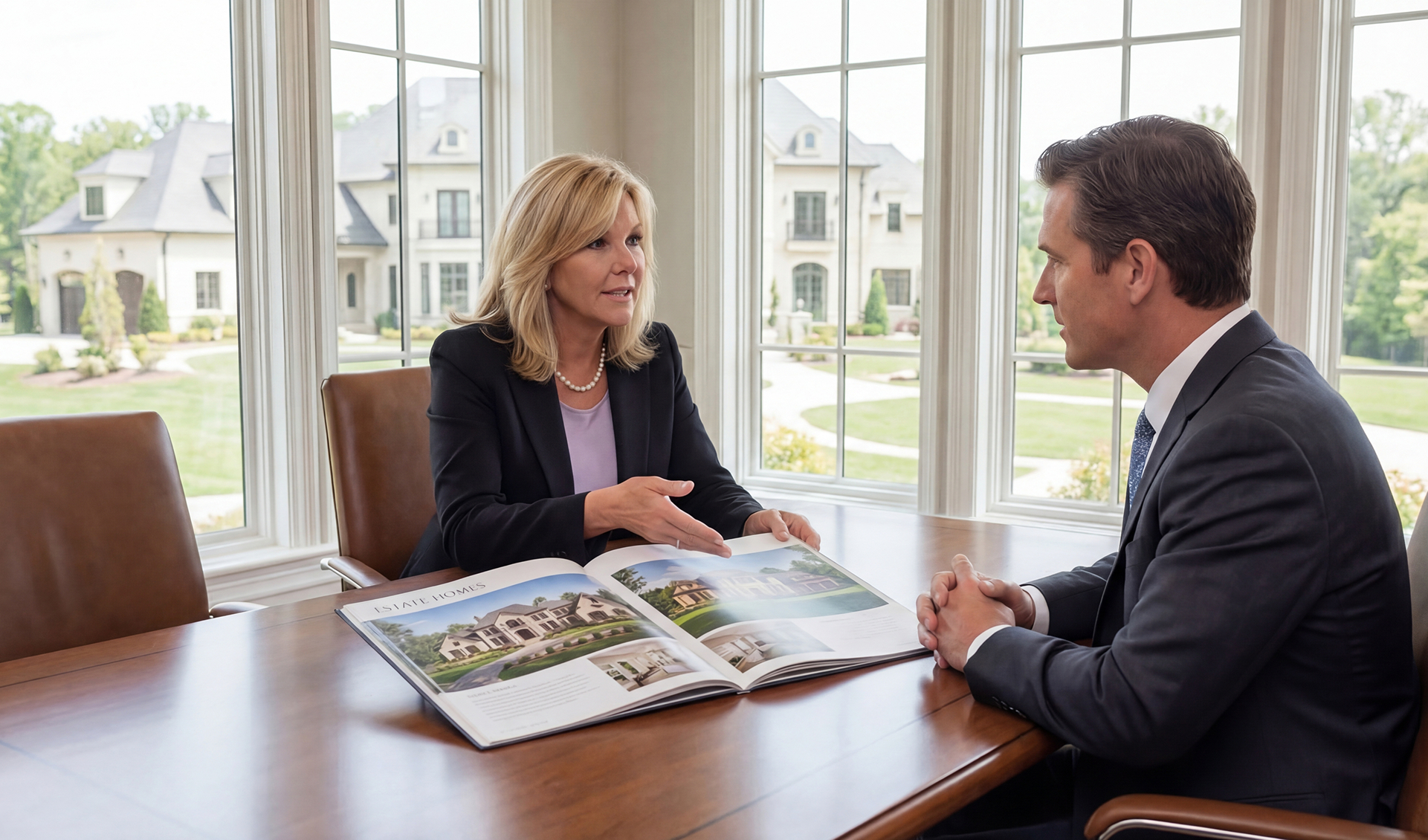
There are moments in life that bring unexpected change, and Estate matters are often among the most complex. Whether following the loss of a loved one or while assisting someone during incapacity, Real Estate decisions can feel overwhelming—emotionally, legally, and financially. An Estate Sale is the process by which a person’s assets are liquidated, most commonly due to death. Navigating Estate Home Sales in Ontario requires a refined touch, deep market knowledge, and a strong understanding of legal procedures.
With 26 years of experience in the Halton, Hamilton, and GTA Real Estate markets, I have had the privilege of guiding many families through these sophisticated transactions with discretion, care, and expertise. My role is to provide steady, informed guidance so you can move forward with clarity and confidence during a challenging time.
.png)
Establishing legal authority is one of the most important steps when real estate is involved. Proper clarification of the distinct roles of a Power of Attorney and an Executor ensures decisions are made appropriately and within legal limits.
A Power of Attorney (POA) applies while a person is still alive, but unable—or choosing not—to manage their own financial or property matters.
In Ontario, a POA for Property is often required when:
- Someone becomes mentally incapable due to illness, injury, or cognitive decline
- An individual is hospitalized or in long-term care
- A person is living abroad and requires assistance managing Ontario property
- Help is needed with selling, refinancing, or maintaining Real Estate
- Estate planning is being done proactively for future incapacity
A Power of Attorney ends immediately upon death. If no valid POA exists, family members may need to apply to the court to be appointed as Guardian of Property, which can be costly and time-consuming.
An Executor (referred to in Ontario as an Estate Trustee) is required after someone passes away.
Their responsibilities typically include:
- Managing and protecting Estate assets
- Applying for probate when required Paying debts and taxes
- Selling Real Estate if necessary
- Distributing assets according to the Will
An Executor’s authority comes from the Will and is often confirmed through the probate process. If there is no Will, the court must appoint an Estate Trustee—often delaying Real Estate transactions and Estate administration.
Probate is a critical court process that confirms legal authority to act on behalf of an Estate. Understanding when probate is required and when it can be bypassed is essential for a smooth and compliant property transfer.
Probate confirms the Will as the deceased’s last valid Will and appoints the Estate Trustee with authority to act. This process must typically be completed before an Estate property can be sold, as title cannot be transferred and conveyed without proper legal authority. Clarifying this authority at the outset helps prevent unnecessary delays, added expenses, and avoidable errors during the transaction.
Assets held in joint tenancy with right of survivorship generally bypass probate, with ownership transferring automatically to the surviving joint owner. This commonly applies to married couples owning a home as joint tenants. In these situations, the property typically becomes the sole asset of the surviving spouse. However, when assets transfer between generations—such as from parents to children—probate is almost always required.

Successfully managing an estate sale requires a combination of deep market expertise and a sensitive, tailored strategy. Proactive planning and a trusted professional network protect your interests throughout the entire transition.
Consulting a Real Estate professional early can prevent complications when acting under a Power of Attorney or navigating probate timelines. It is especially beneficial when managing property with multiple beneficiaries or planning ahead as part of Estate preparation.
A POA may sell Real Estate if the document grants authority and the sale is in the homeowner’s best interest, but this authority ceases upon death.
It is often beneficial to seek Real Estate advice when:
1. Acting under a valid Power of Attorney
2. Planning ahead as part of Estate preparation
3. Navigating probate timelines
4. Managing property with multiple beneficiaries early can
Clarifying legal authority at the outset helps ensure decisions are made appropriately and within legal limits.
Explore autumn real estate trends in Oakville & Burlington. Discover strategic insights for buying or selling a home during the active fall market.
Learn More.png)